A car that sits for a while can become a home for mice and rats. The CDC says it plainly: "Rodents may build their nests in cars, trucks, campers, and other vehicles, especially if such vehicles are used infrequently."
If the car you're looking at has been sitting, it's worth knowing what that can leave behind. Here is what our technicians have found, a spot our inspection can't see, and what to do after you buy.
What our technicians have found under the hood
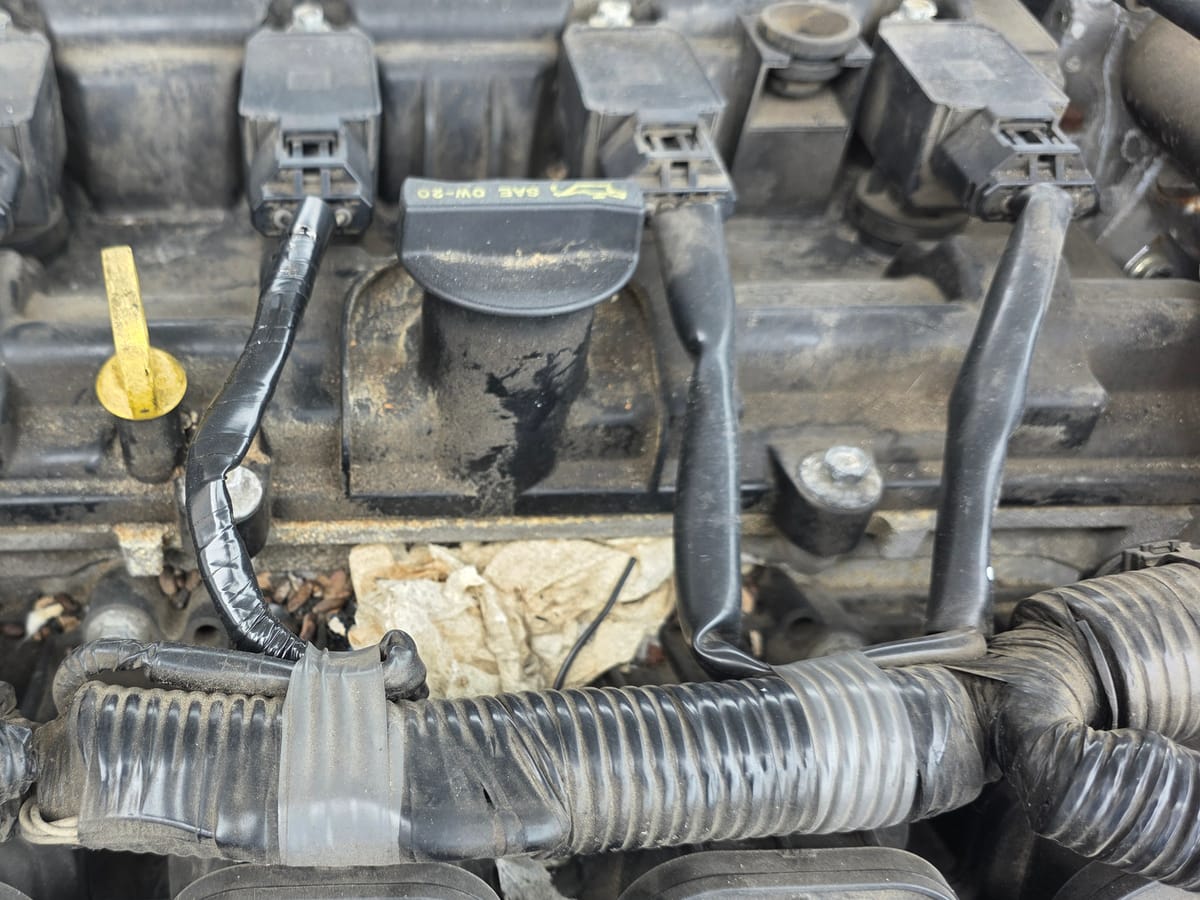
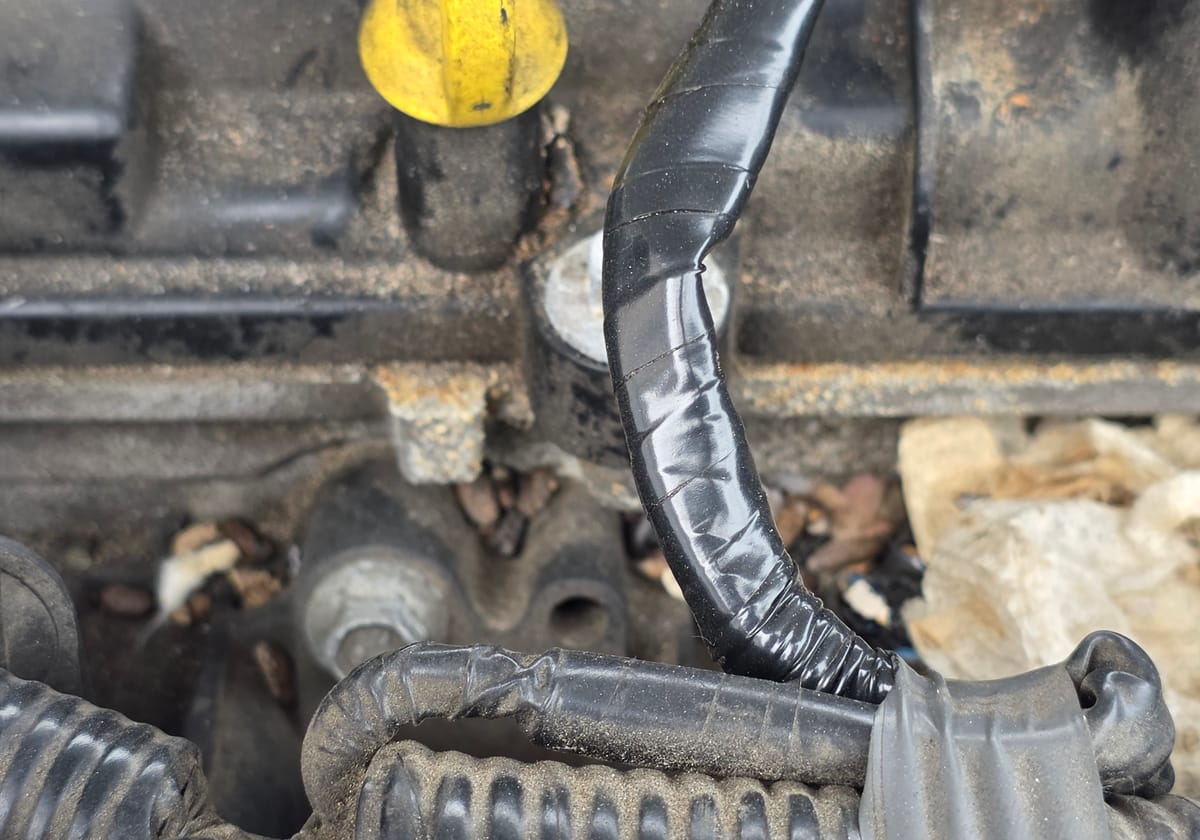
On one car, our technician found droppings and shredded debris on top of the engine, beside the ignition coils. The ignition coil wiring had been repaired before, and the repair was wrapped in tape. The engine had no misfire and no stored codes. Because the tape covered the repair, the report said the full extent of the rodent damage could not be checked by eye, and suggested asking for the repair paperwork for the buyer's records.
Here is how our technicians have written it up on other cars, in their own words:
- "A small rodent nest was found in the engine area. No active infestation and no evidence of wire damage."
- "Inactive rodent nesting material found under the engine cover. No wiring damage found; recommend cleaning it out."
- On a car whose battery was dead: "Rodent feces visible on and around the hood, and there is chewing on the rubber insulation. I did not see any chewed wiring, but it is possible, so the wiring should be investigated once the car can be powered up."
Some were inactive and only needed cleaning out. Some came with damage. Each report says what the technician could see, and what they could not.
A spot our inspection can't see: the cabin air filter
Mice don't stop at the engine. Public Health – Seattle & King County lists where nesting material turns up in a vehicle, including "The ducting and air filtration components of a vehicle's heating and air conditioning system." It adds: "They may build nests on top of accordion-style air filters or in hoses and ducting that leads directly to the passenger compartment."
That includes the cabin air filter, which cleans the air coming through your vents. It sits inside a housing that has to be opened to see it. Ours is a non-invasive inspection, so we do not take anything apart. That means a nest inside the cabin air filter housing is not something our inspection can see.
One thing you might notice yourself: the same health department notes that "Nesting materials in the air intake system of a vehicle can also cause odors inside the passenger compartment." If the air from the vents smells strange on your test drive, tell us when you book (more on that below).
After you buy: replace the cabin air filter
If the car has been sitting, have the cabin air filter replaced when you take it in for its first service, if the car has one. Ask whoever replaces it to look for nesting material in the housing while it is open.
That matches the CDC's advice for vehicles: "If you find nesting materials in the air intake system, remove both the nesting materials and the air filter."
If you find droppings or a nest yourself, don't sweep or vacuum them up. The CDC says: "Do not use a vacuum or high-pressure sprayer on rodent urine, droppings, or contaminated surfaces until they have been disinfected." It also says: "Consult a qualified mechanic or automotive professional for assistance."
Worried about rodents? Name it as an Area of Concern
If you've seen droppings in the listing photos, or you know the car has been sitting, type it as an Area of Concern when you book. Keep it to one specific line, for example "droppings in the engine bay: check for chewed wiring."
One buyer did exactly that. The written answer said what was found and how far the technician could see: "I confirmed rodent droppings in the engine bay. I checked all the major wiring harnesses and the visible wiring, and none of it looked chewed. However, not every wire or connector is reachable without further disassembly." It also told the buyer to monitor for electrical faults.
Your inspector sees what you list before the inspection. Enhanced and Elite give each Area of Concern a closer look than the standard checklist, answered in writing (up to 3 on Enhanced, up to 6 on Elite). If what you list needs Enhanced, our team will let you know.
It is still a non-invasive inspection, so we do not take anything apart. If part of an Area of Concern can't be seen without taking parts off, the written answer says so.
Buying a used car in the Atlanta or Orlando area? Call us at 833-644-0800 and talk it through before you buy. Then book your inspection at carproinspections.com.
Quick answers
Do mice nest in cars that sit? They can. The CDC says rodents may nest in vehicles, "especially if such vehicles are used infrequently."
Can mice get into the cabin air filter? Yes. Seattle and King County's health department lists "The ducting and air filtration components of a vehicle's heating and air conditioning system" among the places nesting material is found in a vehicle.
Does a pre-purchase inspection check the cabin air filter? Not ours. The filter sits inside a housing that has to be opened, and we do not take anything apart. If the car has been sitting, have the cabin air filter replaced after you buy.
How do I clean up mouse droppings in a car? Don't sweep or vacuum them. The CDC says to disinfect first and to consult "a qualified mechanic or automotive professional for assistance."